
Home -> Browse
-

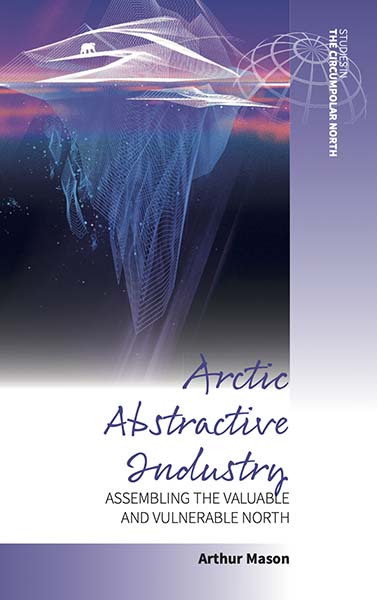
Arctic Abstractive Industry
Assembling the Valuable and Vulnerable North
Mason, A. (ed)
Through diverse engagements with natural resource extraction and ecological vulnerability in the contemporary Arctic, contributors to this volume apprehend Arctic resource regimes through the concept of abstraction. Abstraction refers to the creation of new material substances and cultural values by detaching parts from existing substances and values. The abstractive process differs from the activity of extractive industries by its focus on the conceptual resources that conceal processes of exploitation associated with extraction. The study of abstraction can thus help us attune to the formal operations that make appropriations of value possible while disclosing the politics of extraction and of its representation.
Subjects: Anthropology (General) Environmental Studies (General) Development Studies Sustainable Development Goals
Area: Circumpolar
-
Arctic Silk Roads
An Anthropology of the Unbuilt
Magnani, N. & Magnani, M. (Eds.)
As climate change accelerates, melting sea ice is fueling the global imagination and geopolitical anticipation of the Arctic region’s accessible transport routes and possibilities for resource extraction. “Silk Roads” are being conjured across the Circumpolar North, both as official Arctic and infrastructural policy, and as broader visions of global connectivity with other markets. Following the myriad ways that local economies and agencies are proliferating around the anticipation of large-scale infrastructural corridors and their often-unrealized arteries, Arctic Silk Roads examines the different conditions under which top-down infrastructural dreams facilitate or constrain individual agencies.
Subjects: Political and Economic Anthropology Environmental Studies (General) Development Studies Sustainable Development Goals
Area: Circumpolar
-
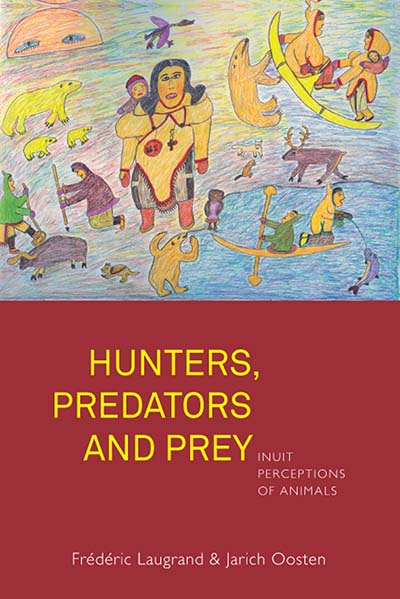
Hunters, Predators and Prey
Inuit Perceptions of Animals
Laugrand, F. & Oosten, J.
Inuit hunting traditions are rich in perceptions, practices and stories relating to animals and human beings. The authors examine key figures such as the raven, an animal that has a central place in Inuit culture as a creator and a trickster, and qupirruit, a category consisting of insects and other small life forms. After these non-social and inedible animals, they discuss the dog, the companion of the hunter, and the fellow hunter, the bear, considered to resemble a human being. A discussion of the renewal of whale hunting accompanies the chapters about animals considered ‘prey par excellence’: the caribou, the seals and the whale, symbol of the whole. By giving precedence to Inuit categories such as ‘inua’ (owner) and ‘tarniq’ (shade) over European concepts such as ‘spirit ‘and ‘soul’, the book compares and contrasts human beings and animals to provide a better understanding of human-animal relationships in a hunting society.
Subjects: Anthropology (General) Environmental Studies (General)
Areas: North America Circumpolar
-
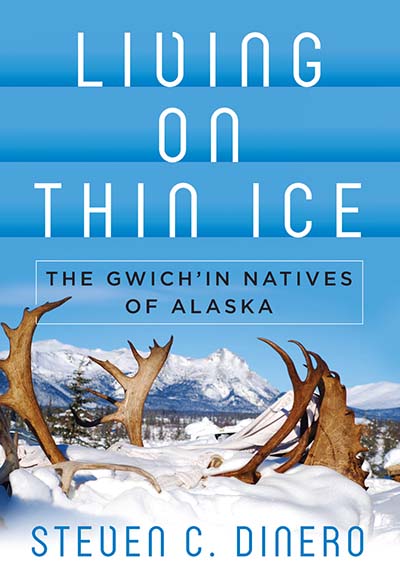
Living on Thin Ice
The Gwich'in Natives of Alaska
Dinero, S. C.
The Gwich’in Natives of Arctic Village, Alaska, have experienced intense social and economic changes for more than a century. In the late 20th century, new transportation and communication technologies introduced radically new value systems; while some of these changes may be seen as socially beneficial, others suggest a weakening of what was once a strong and vibrant Native community. Using quantitative and qualitative data gathered since the turn of the millennium, this volume offers an interdisciplinary evaluation of the developments that have occurred in the community over the past several decades.
Subjects: Anthropology (General) Development Studies Urban Studies
Areas: North America Circumpolar
-
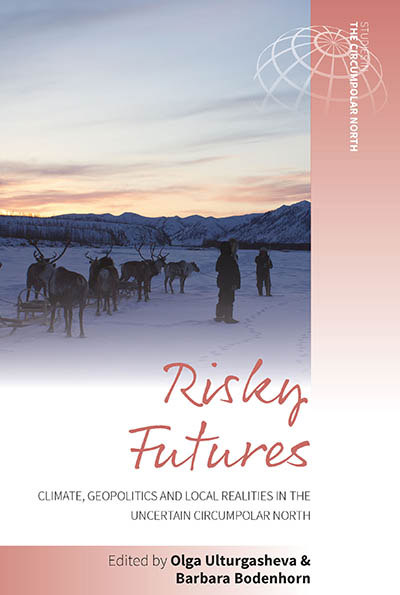
Risky Futures
Climate, Geopolitics and Local Realities in the Uncertain Circumpolar North
Ulturgasheva, O. & Bodenhorn, B. (eds)
The volume examines complex intersections of environmental conditions, geopolitical tensions and local innovative reactions characterising ‘the Arctic’ in the early twenty-first century. What happens in the region (such as permafrost thaw or methane release) not only sweeps rapidly through local ecosystems but also has profound global implications. Bringing together a unique combination of authors who are local practitioners, indigenous scholars and international researchers, the book provides nuanced views of the social consequences of climate change and environmental risks across human and non-human realms.
Subjects: Environmental Studies (General) Anthropology (General) Sociology Sustainable Development Goals
Area: Circumpolar
-
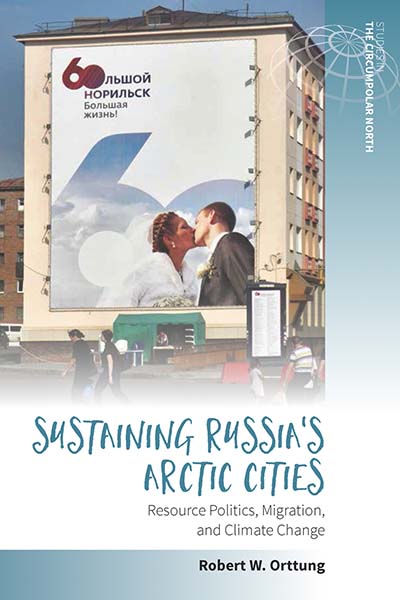
Sustaining Russia's Arctic Cities
Resource Politics, Migration, and Climate Change
Orttung, R. (ed)
Urban areas in Arctic Russia are experiencing unprecedented social and ecological change. This collection outlines the key challenges that city managers will face in navigating this shifting political, economic, social, and environmental terrain. In particular, the volume examines how energy production drives a boom-bust cycle in the Arctic economy, explores how migrants from Muslim cultures are reshaping the social fabric of northern cities, and provides a detailed analysis of climate change and its impact on urban and industrial infrastructure.
Subjects: Urban Studies Political and Economic Anthropology Refugee and Migration Studies Sustainable Development Goals
Areas: Central/Eastern Europe Asia-Pacific Circumpolar
-
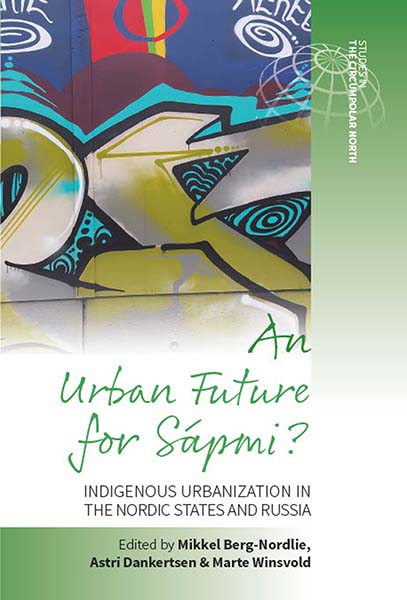
An Urban Future for Sápmi?
Indigenous Urbanization in the Nordic States and Russia
Berg-Nordlie, M., Dankertsen, A, & Winsvold, M. (eds)
Presenting the political and cultural processes that occur within the indigenous Sámi people of North Europe as they undergo urbanization, this book examines how they have retained their sense of history and culture in this new setting. The book presents data and analysis on subjects such as indigenous urbanization history, urban indigenous identity issues, urban indigenous youth, and the governance of urban “spaces” for indigenous culture and community. The book is written by a team of researchers, mostly Sámi, from all the countries covered in the book.
Subjects: Anthropology (General) Urban Studies Sociology
Area: Circumpolar
-
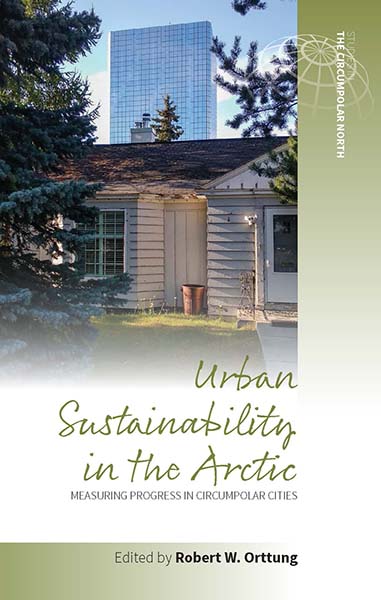
Urban Sustainability in the Arctic
Measuring Progress in Circumpolar Cities
Orttung, R. W.
Urban Sustainability in the Arctic advances our understanding of cities in the far north by applying elements of the international standard for urban sustainability (ISO 37120) to numerous Arctic cities. In delivering rich material about northern cities in Alaska, Canada, and Russia, the book examines how well the ISO 37120 measures sustainability and how well it applies in northern conditions. In doing so, it links the Arctic cities into a broader conversation about urban sustainability more generally.
Subjects: Environmental Studies (General) Applied Anthropology Urban Studies Sustainable Development Goals
Area: Circumpolar